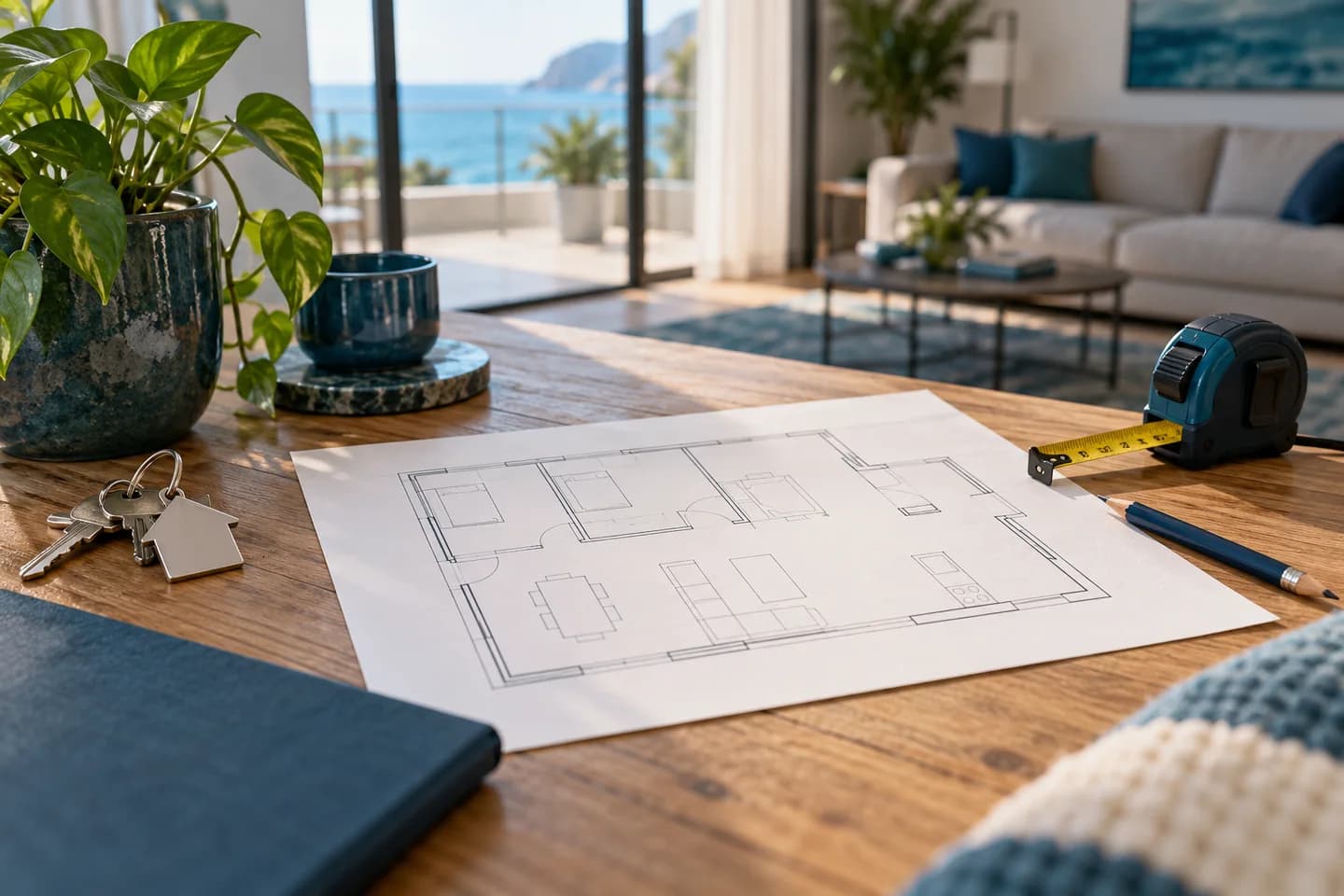
Cost of Buying a House or Condo in Vietnam: A Foreigner’s Budget Guide
Understand Vietnam home prices, purchase costs, running expenses and foreign-buyer eligibility before budgeting for a house or condo.
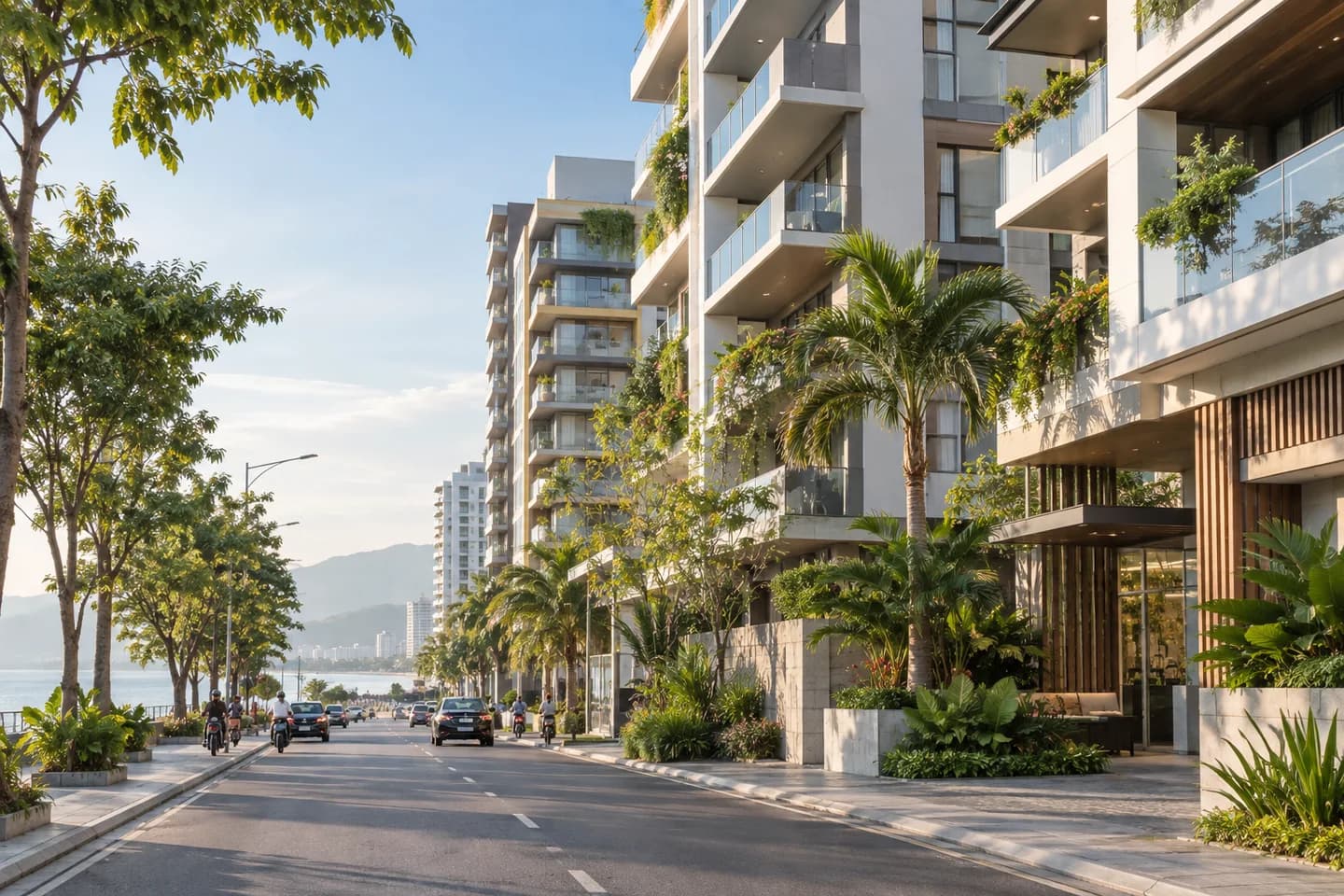
The key points.
- Compare dated quotations for equivalent property rights.
- Budget for completion, ongoing expenses and a realistic exit.
- Check foreign-buyer eligibility before paying a reservation amount.
A foreign buyer searching for the cost of buying a condo in Vietnam usually wants one useful number. A national average, however, hides nearly everything that determines whether a particular home is affordable, eligible and sensible for that buyer. A coastal apartment in Da Nang, a new launch in Ho Chi Minh City and a resale home in Hanoi are different purchases.
Start with a complete budget for a specific property and a verified description of the rights being sold. Then compare alternatives. This guide explains the major cost categories, price-per-square-metre figures and questions to ask before committing money. It is general planning information, rather than a quotation or a review of any particular transaction.
Start with a property you can legally purchase
An attractive advertised house price is not a useful budget if the purchase route is unavailable to you. Foreign individuals can own qualifying commercial housing under conditions in Vietnam’s Housing Law. That does not mean every house, piece of land or apartment advertised online is eligible.
Eligibility involves the purchaser, project, permitted area, proposed transfer and applicable foreign ownership limits. Ask an independent Vietnamese property professional to identify the permitted route before you treat an advertisement as a shortlist candidate. A broker’s willingness to arrange a sale is not evidence that the route is appropriate.
The Housing Law is the starting source, while the specific documents determine the transaction. A listing description cannot replace either. Read our foreign ownership guide before comparing houses with condos.
What published apartment prices actually tell you
Published research establishes context, rather than a live offer. Savills reported an average Hanoi primary apartment price of VND 75 million per square metre of net sellable area for Q4 2024. At that historical benchmark, 70 square metres would produce a multiplication of VND 5.25 billion. That calculation illustrates the published metric. It is not a current quotation, a Da Nang price or a promise about an available apartment.
The city, reporting period, market segment and area definition all matter. A primary-market average describes a collection of developer sales, rather than every resale apartment. A changing mix of projects can move an average without the price of an individual home moving by the same amount.
The source is Savills’ Hanoi market commentary. Its Q2 2026 outlook also describes affordability constraints and cautious buyers. Neither report establishes a nationwide bargain or justifies skipping investigation of a particular property.
Read the area measurement before multiplying
Ask whether the advertised size is net usable area, net sellable area, gross floor area or another contractual measure. Balconies, shared areas and walls can affect comparisons. Two homes described as the same size may offer different usable rooms and storage.
Obtain the floor plan and contract’s area definition. Measure the spaces that determine everyday comfort: bedroom clearance, kitchen worktop, desk location and storage. A larger advertised number does not necessarily produce a more useful layout.
For a house, distinguish building area from the land-related description and actual rights proposed. A condo price-per-square-metre shortcut cannot describe an entire house transaction. Comparing different measurements creates an impression of precision while obscuring the real difference.
Build three separate budgets
The first budget covers cash required before and at completion. The second covers annual ownership and living expenses. The third covers a plausible exit, including selling costs and time without a buyer. Keeping these separate prevents the purchase price from consuming money needed to maintain and use the home.
Create a line for every payment, recording the recipient, due date and whether the amount is refundable. Attach a quotation or professional explanation to each substantial figure. Leave an unknown amount visibly unknown, instead of inserting a percentage remembered from a forum.
An adviser should explain taxes, registration-related costs, contractual charges and applicable building contributions for your transaction. The Knight Frank investment guide describes background categories, but it is not your closing statement. Applicable rules and contractual treatment need checking at the time of purchase.
Reservation payments and instalments
A reservation payment deserves the same attention as a larger transfer. Understand what the document commits you to, the conditions for cancellation, the deadline for the next agreement and the recipient’s authority. A marketing receipt cannot substitute for a reviewed contract.
For an off-plan home, map every instalment against its contractual trigger. A date, a construction milestone and handover are different triggers. Ask what happens if construction is late, what evidence supports a demand and how a dispute would be handled.
Funds needed later still count as committed money. Do not assume future rental income, a quick resale or financing will fund later instalments. BuyDaNang does not offer property financing or collect purchase money. Your cash plan must stand independently of an unconfirmed service.
Ask what the quoted price includes
A furnished show apartment can create an expensive misunderstanding. Identify the appliances, furniture, curtains, lighting and fittings included in your particular purchase. Obtain a written inventory or specification rather than relying on images of a model unit.
Ask whether relevant taxes and contributions are included or appear separately. Clarify parking arrangements, facility access and charges associated with using them. An attractive pool or lobby does not establish unrestricted access without further costs.
For a resale, confirm that included equipment works, belongs to the seller and will remain at handover. Request separate clarification of furniture terms where your adviser recommends it. Compare the homes you would actually receive, rather than the appearance created for a viewing.
Plan for independent professional review
Request a written scope from an independent adviser. It should describe the documents they will inspect, eligibility questions they will answer and matters outside their engagement. The fee should correspond to a defined task, rather than a vague promise that everything is safe.
Legal review, translation, physical inspection and tax advice address different questions. A fluent salesperson is not necessarily an independent legal adviser. Document review does not confirm that waterproofing or air conditioning works. Select checks appropriate to the home.
Ask about conflicts and referral arrangements. Keep engagement terms and findings in your own records. A guide, checklist or tour cannot guarantee a safe purchase; their purpose is to help you identify what needs investigating before payment.

The ongoing cost of a condo
Request current management charges, the charging basis, parking terms and facility rules. Ask how fees may change and what services they cover. A charge per square metre requires the correct chargeable area, which might differ from the number in an advertisement.
Inspect lifts, corridors and shared equipment. Ask what management information is available to purchasers and how owners report defects. A polished lobby can coexist with weak maintenance arrangements, so look beyond the first impression.
Inside the home, plan for servicing, appliance replacement, repainting and unexpected repairs. Coastal humidity and salt exposure are inspection considerations, rather than a prediction that every coastal building has defects. Base a repair reserve on the condition and equipment you are actually buying.
The ongoing cost of a house
A house may place more maintenance directly under your control. Roofs, drainage, exterior surfaces, security and water systems need attention. Ask an inspector which components require immediate work and which should be monitored.
Consider how you will arrange repairs when travelling. An absent owner may need paid assistance to meet contractors, inspect problems and verify completed work. That is an expense and an administrative responsibility, rather than an automatic benefit of purchasing through a platform.
Compare the full cost of an eligible house with the full cost of a suitable condo or rental. Extra space is valuable when you want to furnish, maintain and use it. An unused room still requires care.
Exchange rates and international transfers
Keep the main worksheet in Vietnamese dong so comparisons match the contract’s monetary basis. Separately record any conversion from your home currency and the planned timing. Exchange movements can alter your personal cost even if the seller’s VND price stays unchanged.
Ask your bank about transfer requirements, documentary evidence, fees and timing. Confirm the lawful recipient and account details through a trusted process. Independently verify unexpected instructions before transferring money.
Allow time for compliance checks and keep proof of every payment. A deadline should not push you into paying an unverified account. Seek professional guidance where international transfers or your tax position raise questions outside an ordinary banking enquiry.
Include the cost of changing your mind
Selling takes preparation and time. Consider the permitted purchaser pool, remaining ownership duration, documents required for transfer and the period during which you could keep paying running expenses while marketing the home.
Nearby asking prices do not prove completed sale prices. Ask for appropriately documented comparable transactions where available and examine differences in condition, rights and location. A higher advertisement does not establish your achievable exit price.
Include relevant professional and transaction costs, possible repairs and a period without income if you intended to let the property. A purchase should remain workable without an unsupported appreciation prediction.
A practical comparison sheet
Use one page per shortlisted home, with the same fields for each option:
- Exact project and unit identification, plus the dated quotation.
- Purchaser eligibility and proposed transfer route.
- Area definition, floor plan and inspected condition.
- Total price, inclusions and exclusions.
- Reservation terms, instalments and completion requirements.
- Certificate status and proposed ownership duration.
- Running charges and immediate works.
- Unanswered questions and a realistic exit plan.
Update the sheet whenever the seller changes a term. An offer may look cheaper on headline price and become more expensive after excluded items or essential works. This method makes those differences visible before your preferred home becomes an emotional commitment.
When renting first improves the decision
Renting locally gives you time to learn what photographs cannot show: traffic, construction noise, daily shopping, humidity and routes to places you use. Holiday enjoyment is useful information, but ordinary weekday life is a different test.
Use a trial stay to build a cost-of-living budget, inspect alternatives and arrange document review without pressure. Renting first costs money, yet reversing an unsuitable purchase can be substantially harder.
Before making an offer, revisit the three budgets. Can you meet every payment without sacrificing your reserve? Are running costs comfortable if circumstances change? Do you understand how a future sale would work? If any answer depends on an unconfirmed promise, the budget still needs work.
The next step is to identify an eligible home, obtain a complete written cost breakdown and compare that purchase with the life you want in Vietnam. A national average can begin research. It should never finish the decision.
Sources & further reading
Last checked October 1, 2026. Historical research is labeled by its reporting period and is not a current property quotation. General legal information does not replace advice on your transaction or immigration circumstances.